What is an Anti-Slip treatment.
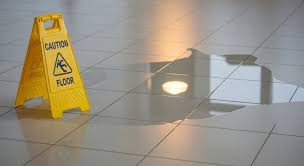
An anti-slip treatment is a process or product used to reduce the risk of slipping on a surface, especially when it gets wet, greasy, or smooth.
Anti-slip treatments increase surface traction by:
- Adding microscopic texture (etching or roughening)
- Applying a clear or textured coating
- Embedding fine grit into the surface
The goal is to make floors safer without changing their appearance much.
Common surfaces treated
- Tiles (ceramic, porcelain, stone)
- Marble and granite
- Bathtubs and shower floors
- Pool decks, stairs, ramps, and entryways
Where they’re used
- Homes (bathrooms, kitchens)
- Commercial buildings
- Hospitals and schools
- Restaurants and hotels
- Outdoor walkways and public spaces
Types of anti-slip treatments
1.Chemical etching treatments. Create microscopic pores for better grip and they are often invisible and permanent.
2. Anti-slip coatings are clear or tinted layers applied on top. They can be temporary or long-lasting and may need reapplication over time.
3. Grit additives or tapes are physical textures added to the surface. They are very effective but more visible. Common to be found in industrial or outdoor areas.
Benefits of Anti-Slip treatment:
- Reduces slip-and-fall accidents
- Improves safety compliance
- Often quick to apply
- Can be cost-effective compared to replacing flooring
How we measure the anti-slip level:
It is measured by testing how much traction (friction) it provides. This is usually expressed as a slip resistance rating. Here are the main, widely accepted ways it’s measured:
1. Coefficient of Friction (COF) – Most common
COF measures how resistant a surface is to slipping.
Types
- Static COF (SCOF): Resistance when standing still
- Dynamic COF (DCOF): Resistance while moving (more realistic for walking)
Typical benchmarks
- DCOF ≥ 0.42 → Generally considered slip-resistant for level, wet indoor floors
- Below 0.42 → Higher slip risk
How it’s measured
- Using devices like tribometers
- Tested dry and wet
- Simulates a shoe sliding across the surface
2. Pendulum Test Value (PTV) – Very reliable
Common in the UK, Australia, and many international standards.
How it works
- A rubber slider swings across the surface
- The resistance slows the swing
- The result is a Pendulum Test Value (PTV)
Rating guide
- PTV < 25 → High slip risk
- PTV 25–35 → Moderate risk
- PTV ≥ 36 → Low slip risk (good anti-slip performance)
Used heavily for:
- Public walkways
- Commercial buildings
- Outdoor surfaces
3. Ramp Test (DIN / R-rating)
Common in Europe and industrial settings.
How it works
- A person walks on an inclined, contaminated surface
- The maximum safe angle is recorded
Ratings
- R9 → Minimal slip resistance
- R10–R11 → Moderate (shops, kitchens)
- R12–R13 → High (factories, wet industrial areas)
4. Barefoot Ramp Test (A, B, C)
Used for wet barefoot areas like:
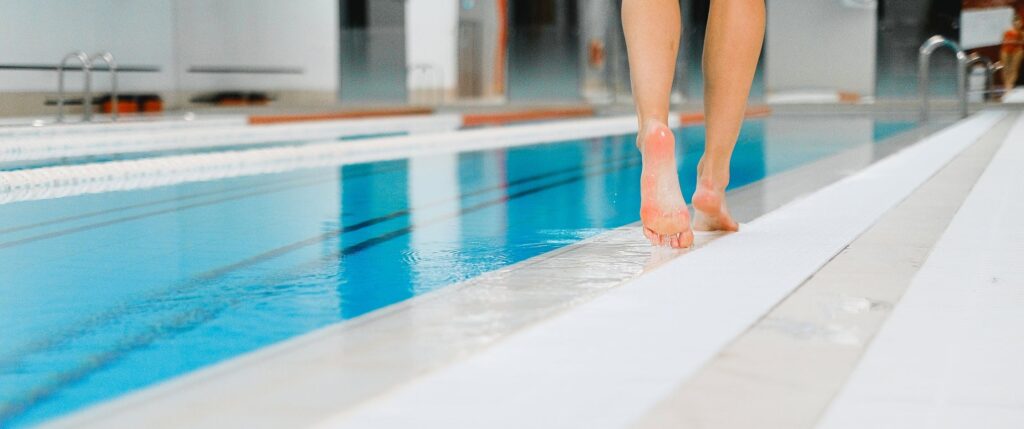
- Pools
- Showers
- Spas
Ratings
- Class A → Low resistance
- Class B → Medium resistance
- Class C → Highest resistance (best for pool surrounds)
5. Practical site testing (before & after treatment)
Anti-slip treatments are often verified by:
- Measuring COF or PTV before application
- Measuring again after application
- Comparing results to safety standards
Which method should you use?
It depends on the location:
| Area | Recommended Test |
| Bathrooms / kitchens | DCOF |
| Public walkways | Pendulum Test |
| Industrial floors | Ramp (R-rating) |
| Pools / showers | Barefoot ramp (A/B/C) |
A nanotechnology anti-slip treatment with nano suction cups refers to a newer class of non-abrasive, coating-based slip-resistance systems that use micro- and nano-scale structures to increase grip rather than roughening the surface.
Here’s a clear explanation 👇
What it is
This treatment applies a transparent nano-coating that forms millions of microscopic suction-cup–like structures on the surface.
- These structures are invisible to the eye
- They create micro-vacuum effects when pressure is applied (like a shoe or bare foot)
- The effect is strongest in wet conditions
Instead of friction from roughness, grip comes from adhesion and suction.
How nano suction cups work
- When a foot steps on the treated surface:
- The nano structures deform slightly
- Air or water is displaced
- This creates localized suction
- The suction increases resistance to sliding without damaging the surface
This mimics natural systems (e.g., gecko feet, octopus suckers at a micro scale).
Key advantages
- ✅ Non-abrasive (does not scratch skin or damage shoes)
- ✅ Maintains surface appearance (no visible grit)
- ✅ Works well when wet
- ✅ Suitable for barefoot areas
- ✅ Easy to clean compared to gritty coatings
Typical applications
- Bathrooms and showers
- Bathtubs
- Swimming pool surrounds
- Polished tiles and stone
- Hotels, hospitals, luxury residences
- Elder-care and healthcare facilities
Durability
- Usually lasts 1–5 years, depending on:
- Foot traffic
- Cleaning chemicals used
- Surface type
- Reapplication may be needed in high-traffic areas
How performance is measured
Even with nano suction technology, performance is verified using standard slip-resistance tests, such as:
- Pendulum Test (PTV ≥ 36 wet)
- Dynamic COF (≥ 0.42 wet)
- Barefoot Ramp Test (Class B or C)
The nano effect itself isn’t directly measured — the resulting slip resistance is.
Limitations to be aware of
- Not ideal for heavy industrial grease environments
- Performance depends on proper surface preparation
- Some products are more “nano-marketing” than real nano-engineering — certification matters
What to look for when selecting one
Proven case studies (hotels, hospitals, pools)
Independent test reports (PTV, DCOF)
Compliance with ASTM, DIN, BS, or AS standards
Clear maintenance instructions